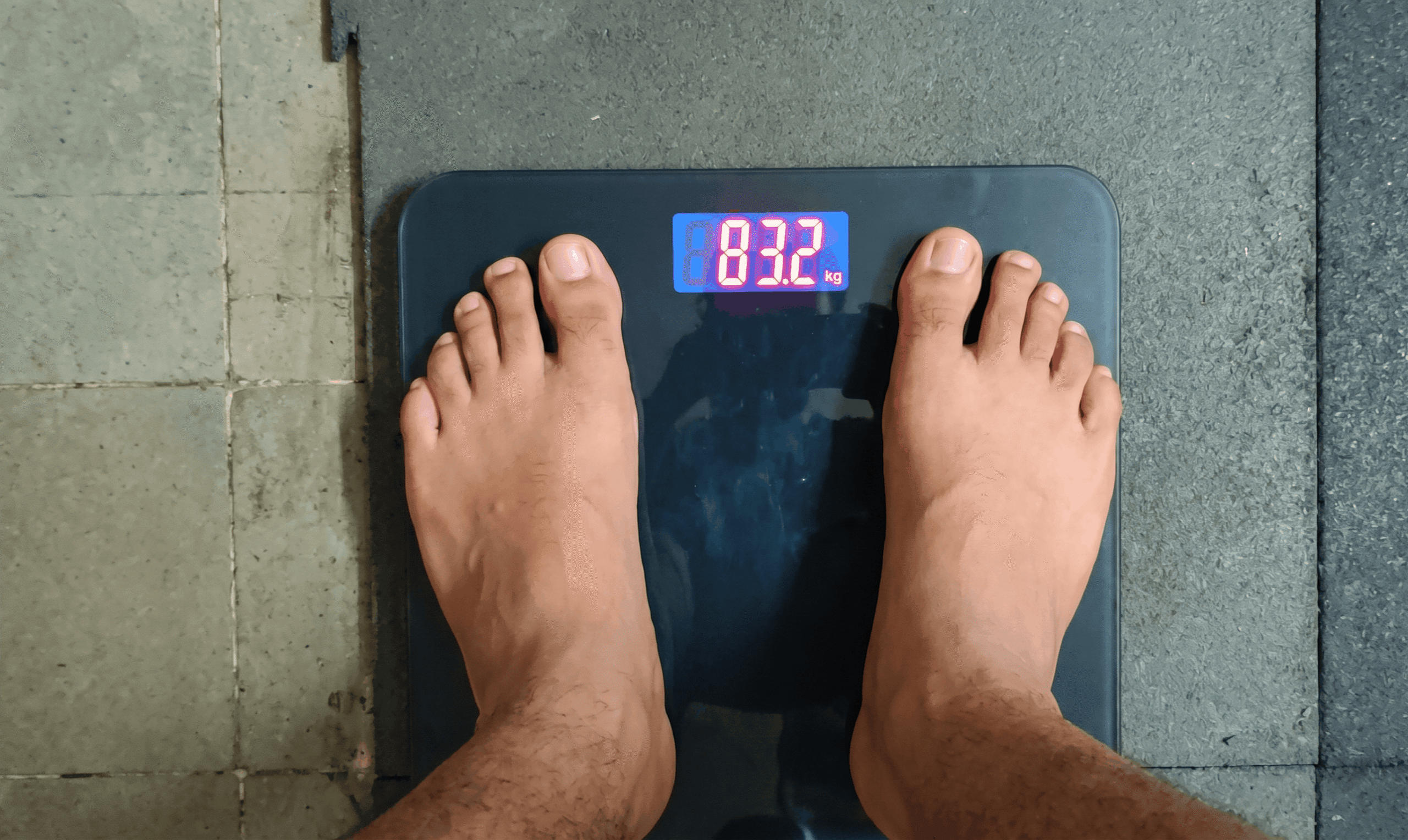
Two months ago, I stepped onto my weighing scale and saw 83 kg.
I thought losing it would be straightforward. Just stop eating oily snacks, walk a bit in the evening, and watch the fat melt away. People on Instagram make fat loss look like an effortless 8-week challenge. It was not. It was messy, exhausting, and full of stupid rookie mistakes.
Day One: Ego Lifting and Humiliation
My first workout was a disaster because I had zero patience. Having spent years doing almost no physical work, I walked into the local gym thinking I could just power through whatever the trainer gave me. He put me through regular bodyweight squats and lunges.
Fifteen minutes in, my thighs started shaking so bad I couldn’t stand straight. My vision went slightly blurry. I rushed into the washroom, locked the door, and sat there completely drained. The emotional hit wasn’t muscle pain—it was self-disgust. I was 83 kg and couldn’t even handle fifteen minutes of moving my own body.
I washed my face with cold tap water, didn’t look at anyone, and drove back home.
The next morning, my alarm rang at 5:00 AM. Every muscle in my legs felt like lead. Pushing that hard on day one wasn’t hard work; it was pure stupidity. When you start from zero, you need to build up slowly over weeks instead of trying to prove something on day one.
Month One: Surviving the Transition from Desk to Weights
Before this, my daily routine was pathetic. I work remote late-night shifts on my phone, which meant lying in bed for 10 to 12 hours a day. Getting up to grab water felt like an effort. Forcing that lazy lifestyle to suddenly handle heavy iron was a shock to the system.
I skipped running completely in the first month and stuck only to basic lifting. The gym trainer gave vague advice like “sugar band karo aur sab ubla khao,” so I had to figure out a sensible routine myself.
My 3 Training Days + 1 Recovery Day Routine
Instead of doing random exercises every day, I followed a simple rotation of 3 lifting days followed by 1 active recovery day before repeating the cycle:
-
Day 1 (Legs): Dumbbell goblet squats, Romanian deadlifts with light dumbbells, seated leg press, and calf raises.
-
Day 2 (Chest & Shoulders): Flat dumbbell bench press, seated overhead dumbbell press, cable lateral raises, and tricep pushdowns.
-
Day 3 (Back & Arms): Lat pulldowns, seated cable rows, face pulls for rounded shoulders, and dumbbell bicep curls.
-
Day 4 (Recovery & Walk): No weights. 45 minutes of easy outdoor walking and stretching at home.
Four exercises per workout. Clean form, no ego lifting.
The Diet Misery: Why Extreme Cutting Almost Broke Me
I made the classic beginner mistake of cutting everything cold turkey. No oil, zero sugar, no evening chai. I roughly capped my daily food around 1,700 calories with boiled eggs and soya chunks for protein.
(Note: 1,700 calories was strictly my personal intake for my weight and desk routine. Your calorie needs will be totally different depending on your height, age, and activity level).
My daily meals turned into an uninspiring loop:
-
Morning: Four boiled egg whites, one whole egg with black salt and pepper, and hot black coffee.
-
Lunch: A bowl of sprouted green moong mixed with raw onions, green chilies, and lemon.
-
Dinner: Regular home dal, a small bowl of steamed rice, and water-squeezed soya chunks roasted dry in a pan.
When my family cooked parathas with homemade ghee, I sat in the corner chewing raw sprouts. Everything tasted like wet cardboard. Going from eating whatever I wanted to zero flavor overnight was miserable. It works for a week, but your brain eventually starts begging for real food. A moderate deficit with regular home food is ten times easier to stick to.
The 30-Day Scale Check: Zero Weight Loss
Month one ended. I stepped on the scale expecting a reward.
83.2 kg.
The needle hadn’t moved. A full month of sore muscles, constant hunger, and zero junk food—and my weight was exactly the same. I sat in my car outside the gym and wanted to quit right there.
What nobody tells beginners is that when you suddenly shock untrained muscles with heavy weights, they get inflamed and hold onto water to repair themselves. Fat loss was happening in the background, but water retention completely masked it on the scale. Expecting the scale to drop every single week just messes with your head. Tracking my waist with an inch tape showed me my pants were actually getting looser, even when the scale refused to budge.
Month Two: Adding Cardio, Nausea, and Broken Sleep
In month two, I added 15 minutes of treadmill incline walking after lifting.
One morning, after jogging on a steep incline right after drinking a big bottle of water, my stomach turned. Acid rushed up my throat. I hit the emergency stop, rushed off, and threw up straight into the dustbin by the cardio floor.
Doing intense cardio right after waking up on a completely empty or water-heavy stomach was plain stupid. If you feel dizzy, nauseous, or sick during a set, stop immediately. Pushing through acute sickness isn’t discipline; it’s just reckless.
The Problem With Shift Work Sleep
My night shifts made recovery twice as hard. Working on my phone until 1:30 AM and setting an alarm for 5:00 AM meant getting barely 3.5 to 4 hours of broken sleep.
You don’t need a medical degree to understand that lifting heavy on four hours of sleep completely fries your central nervous system. By noon, my eyes would burn, my body would shut down, and I had to take long afternoon naps just to survive the day. Sacrificing sleep to hit the gym sounds hardcore on paper, but in reality, your body needs real rest to repair muscle and drop fat.
Week Eight: The First Real Drop
At the end of week eight, I stepped on the scale early morning before eating anything.
81.0 kg.
Two kilos down.
Two kilos across two months sounds tiny compared to clickbait videos promising 10 kg in a month. But to me, that 2 kg proved that the consistent deficit and basic lifting were finally showing up. It wasn’t because of suffering through broken sleep or puking in a gym bin—it was simply because I stopped quitting and kept showing up.
4 Practical Rules for Anyone Starting Over 80 kg
-
Don’t obsess over the scale daily: Water weight, digestion, and sore muscles will make your scale bounce around every single day. Measure your waist once a month instead of judging yourself every morning.
-
Extreme crash diets fail: Cutting out all salt, oil, and spices makes you want to quit within two weeks. Eat home food, keep portions controlled, and prioritize protein like eggs, paneer, or dal.
-
Listen when your body taps out: Feeling muscular fatigue is normal. Chest pain, severe breathlessness, cold sweats, or sudden fainting are not. If you ever feel sharp chest pressure or unusual breathing trouble, stop working out right away and get medical help immediately. Never play the hero with heart symptoms.
-
Sleep beats extra cardio: If you have to choose between getting 4 hours of sleep to do treadmill cardio or getting 7 hours of solid sleep, choose sleep. You cannot out-train chronic exhaustion.
I’m still working toward my long-term goal, and 81 kg is just the first checkpoint. When things feel slow, don’t try to punish yourself harder. Fix your sleep, eat your protein, and stay consistent.